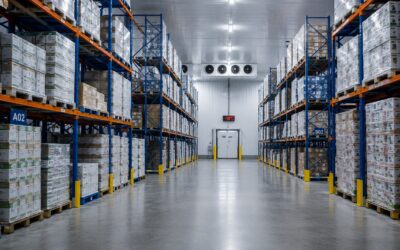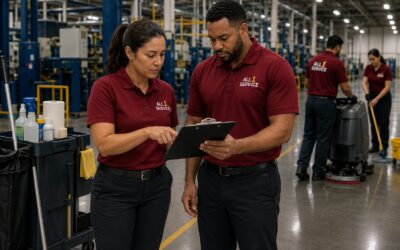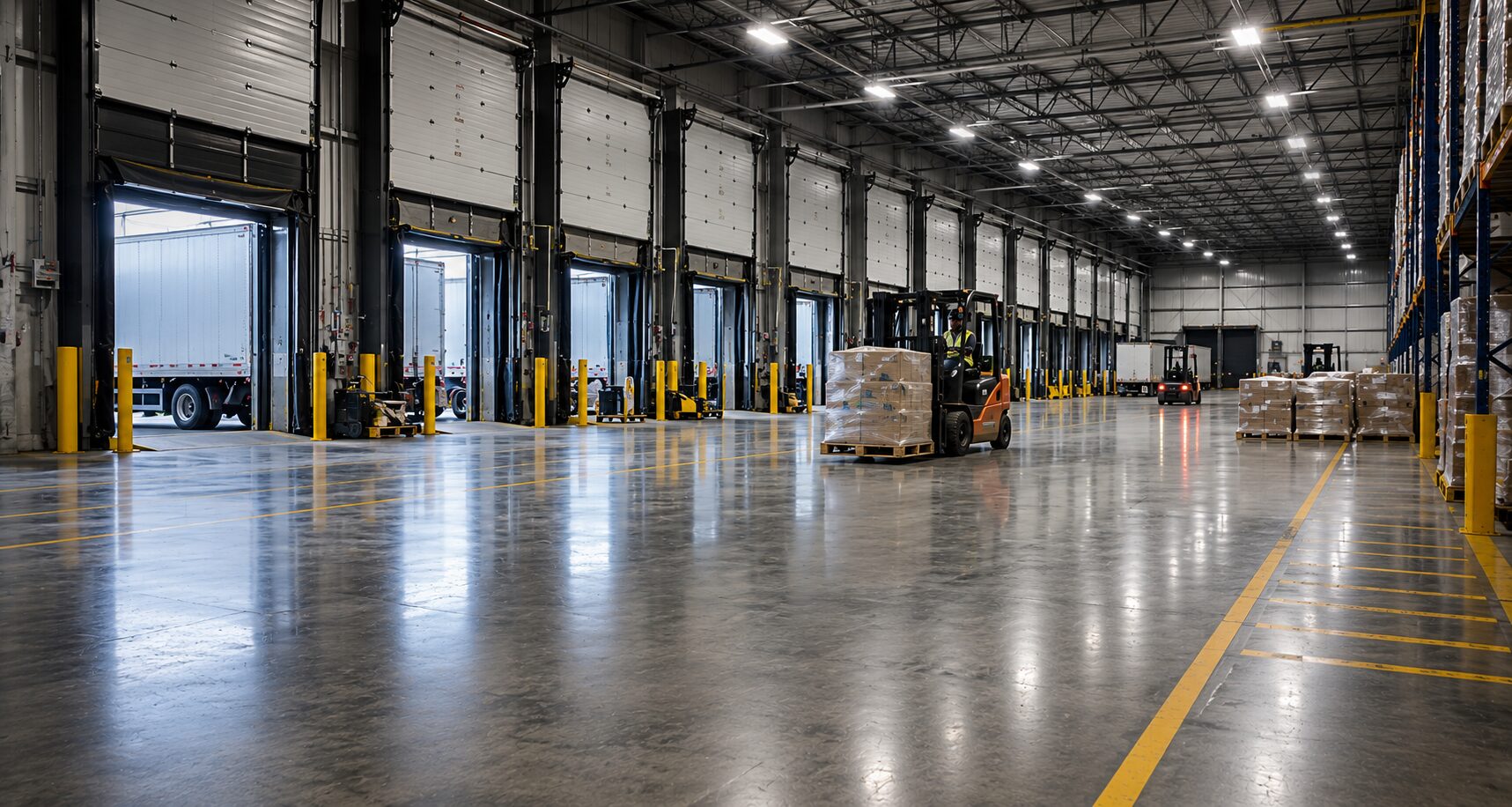
Warehouse housekeeping is one of the most visible indicators of how well a facility is managed. A clean, organized warehouse doesn’t happen by accident. It results from consistent processes, clear accountability, and a proactive approach to facility maintenance. Conversely, many OSHA citations and workplace incidents can be traced back to simple housekeeping issues that were overlooked or allowed to accumulate over time.
Below are seven of the most common housekeeping mistakes found in warehouses and practical steps facility managers can take to prevent them.
1. Debris and Clutter in Walkways
Walkways are the primary pathways employees use to move safely throughout the facility. When aisles become cluttered with pallets, packaging materials, shrink wrap, tools, or equipment, they quickly become trip hazards and can interfere with emergency evacuations and forklift traffic.
Why It Matters
Blocked or cluttered walkways increase the risk of slips, trips, falls, and collisions between pedestrians and material handling equipment. Even minor obstructions can contribute to serious injuries and reduce operational efficiency.
Operational Impact
- Increased employee injuries
- Delayed material movement
- Reduced forklift efficiency
- Slower picking and shipping operations
- Negative impressions during customer audits
OSHA Relevance
OSHA requires all places of employment, passageways, storerooms, and service rooms to be kept clean, orderly, and free from hazards under 29 CFR 1910.22 (Walking-Working Surfaces).
How to Prevent It
- Keep aisles clearly marked and unobstructed.
- Remove empty pallets and packaging immediately.
- Store materials only in designated locations.
- Perform daily housekeeping inspections.
- Assign ownership for each warehouse zone.
Expert Tip
Treat every aisle like a roadway. If a forklift or employee cannot move through it safely without changing direction, the area requires immediate attention.
2. Poor Spill Management
Oil, grease, chemicals, water, and other liquid spills are among the most common causes of slip-and-fall incidents in warehouses. Delaying cleanup even for a few minutes, can significantly increase the likelihood of an accident.
Why It Matters
Spills create immediate safety hazards and may also damage flooring, inventory, and equipment if left unattended.
Operational Impact
- Employee injuries
- Production interruptions
- Equipment damage
- Increased workers’ compensation claims
- Potential product contamination
OSHA Relevance
OSHA requires walking surfaces to remain free from hazards, including spills and slippery conditions, under 29 CFR 1910.22.
How to Prevent It
- Establish a documented spill response procedure.
- Place spill kits in high-risk areas.
- Train employees to report and clean spills immediately.
- Inspect battery charging stations and loading docks frequently.
- Use appropriate absorbent materials based on the spill type.
Expert Tip
The safest spill is the one cleaned immediately. Encourage employees to report hazards as soon as they are discovered rather than assuming someone else will handle them.
3. Dust Buildup on High Surfaces
Dust accumulation on rafters, beams, lighting fixtures, ductwork, shelving, and overhead piping is one of the most commonly overlooked housekeeping issues in warehouses.
Why It Matters
Excessive dust can affect indoor air quality, damage equipment, contaminate products, and, in certain environments, increase fire or explosion risks.
Operational Impact
- Product contamination
- Reduced HVAC performance
- Equipment failures
- Poor audit scores
- Increased cleaning costs over time
OSHA Relevance
OSHA expects employers to maintain workplaces free from recognized hazards. Dust accumulation may also present combustible dust hazards in facilities handling certain materials.
How to Prevent It
- Schedule quarterly or semiannual high-dusting services.
- Inspect overhead structures during routine facility audits.
- Prioritize areas above production lines and storage racks.
- Use proper equipment designed for elevated cleaning.
Expert Tip
If dust is visible from the warehouse floor, it has likely been accumulating for months. High dusting should be part of every preventive maintenance program, not just a pre-audit activity.
4. Blocked Emergency Exits and Fire Equipment
Emergency exits, fire extinguishers, electrical panels, eyewash stations, and emergency shutoffs must remain fully accessible at all times.
Why It Matters
During an emergency, even a few seconds of delay caused by blocked access can increase the severity of injuries or property damage.
Operational Impact
- Delayed emergency response
- Increased liability
- Failed safety inspections
- Potential OSHA citations
- Greater business interruption following an incident
OSHA Relevance
OSHA requires exit routes to remain unobstructed and emergency equipment to be readily accessible.
How to Prevent It
- Maintain required clearance around fire extinguishers and electrical panels.
- Never store pallets or inventory in front of exits.
- Include emergency equipment in daily inspections.
- Clearly mark restricted storage areas.
Expert Tip
During your daily walkthrough, ask yourself one simple question: Could every employee reach the nearest exit or fire extinguisher immediately? If the answer is no, address the issue immediately.
5. Improper Waste Management
Overflowing trash containers, loose packaging materials, damaged pallets, and improperly disposed waste create unnecessary safety and sanitation risks.
Why It Matters
Poor waste management contributes to trip hazards, pest activity, unpleasant odors, and fire risks while creating an unprofessional work environment.
Operational Impact
- Pest infestations
- Fire hazards
- Reduced employee morale
- Poor customer impressions
- Additional cleanup costs
OSHA Relevance
OSHA’s sanitation standards require workplaces to maintain clean conditions and manage waste appropriately to protect employee health.
How to Prevent It
- Empty waste containers on a consistent schedule.
- Separate recyclable materials.
- Designate waste collection areas.
- Remove damaged pallets promptly.
- Inspect dumpsters and exterior waste areas regularly.
Expert Tip
Waste should never become part of warehouse storage. If trash remains in production areas longer than necessary, it’s a sign that collection schedules or responsibilities need to be reviewed.
6. Dirty Loading Docks and Receiving Areas
Loading docks are among the busiest and highest-risk areas of any warehouse. Constant forklift traffic, weather exposure, packaging debris, dirt, and oil buildup make them particularly susceptible to housekeeping issues.
Why It Matters
Dirty loading docks increase the risk of slips, trips, forklift accidents, damaged shipments, and pest activity while creating a poor first impression for customers and carriers.
Operational Impact
- Slower loading and unloading
- Increased forklift incidents
- Product damage
- Pest attraction
- Reduced operational efficiency
OSHA Relevance
Employers must maintain safe walking-working surfaces and organized material storage areas under OSHA requirements.
How to Prevent It
- Sweep docks daily.
- Remove shrink wrap, straps, and pallets immediately.
- Clean dock levelers and plates regularly.
- Pressure wash dock areas as needed.
- Maintain adequate lighting and drainage.
Expert Tip
The loading dock is often the first area customers, auditors, and drivers see. A clean dock reflects a well-managed operation before anyone enters the building.
7. Lack of Routine Housekeeping Inspections
Even facilities with dedicated cleaning staff can develop housekeeping problems if inspections are inconsistent or undocumented.
Why It Matters
Without regular inspections, small issues accumulate until they become safety hazards, operational disruptions, or compliance concerns.
Operational Impact
- Missed hazards
- Reactive cleaning
- Increased repair costs
- Lower inspection scores
- Reduced accountability across departments
OSHA Relevance
Although OSHA does not prescribe a specific inspection frequency, employers are responsible for maintaining safe workplaces and identifying hazards before they cause injuries.
How to Prevent It
- Conduct documented daily walkthroughs.
- Complete weekly housekeeping audits.
- Assign inspection responsibilities by warehouse zone.
- Track corrective actions until resolved.
- Review housekeeping performance during management meetings.
Expert Tip
The most successful warehouse housekeeping programs don’t rely on memory, they rely on standardized inspection checklists, documented findings, and consistent follow-up.
Key Takeaway
Most warehouse housekeeping issues are preventable. By addressing these seven common mistakes through routine inspections, clear accountability, and proactive cleaning schedules, facility managers can reduce workplace hazards, support OSHA compliance, improve operational efficiency, and create a warehouse that is clean, safe, and inspection-ready every day.
Pro Tip: Don’t wait for an OSHA inspection or customer audit to identify housekeeping issues. Regular facility assessments and preventive cleaning programs are far more effective, and far less costly, than reacting to problems after they occur.
Continue Reading:
How to Build an Effective Warehouse Cleaning Program
References
- Emergency Exits: http://osha.gov/sites/default/files/publications/EMERGENCY-EXIT-ROUTES-FACTSHEET.pdf
- OSHA Walking-Working Surfaces (29 CFR 1910.22): https://www.osha.gov/laws-regs/regulations/standardnumber/1910/1910.22
- Ocupational and Safety and Health Hazards: https://www.osha.gov/laws-regs/regulations/standardnumber/1910/1910.37
- OSHA Sanitation (29 CFR 1910.141): https://www.osha.gov/laws-regs/regulations/standardnumber/1910/1910.141