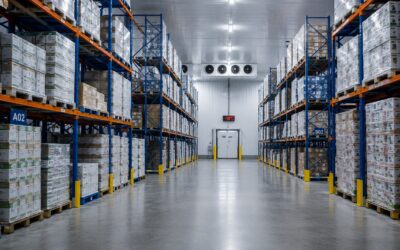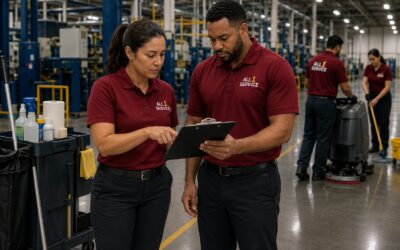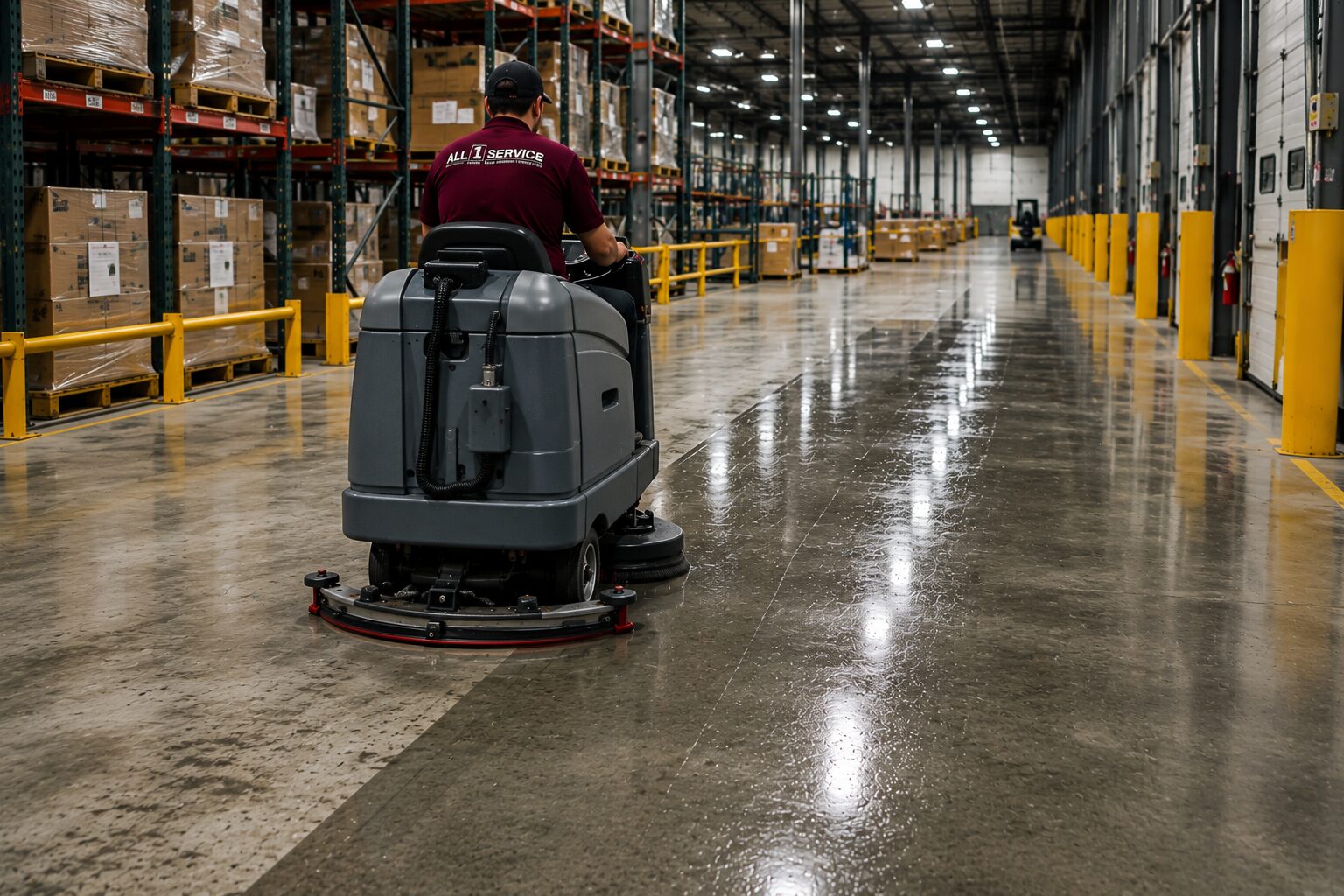
OSHA compliance should be top of the list when preparing warehouse/facility cleaning programs. Warehouse housekeeping isn’t just about keeping a facility clean. It’s a critical component of workplace safety, operational efficiency, and regulatory compliance. A well-maintained warehouse reduces the likelihood of workplace injuries, protects inventory, improves employee productivity, and helps organizations remain prepared for OSHA inspections and customer audits.
The Occupational Safety and Health Administration (OSHA) requires employers to provide a workplace that is free from recognized hazards likely to cause serious injury or illness. While OSHA doesn’t require a warehouse to look spotless, it does expect facilities to implement housekeeping practices that eliminate preventable hazards and maintain safe working conditions.
Poor housekeeping is one of the easiest problems to prevent and one of the quickest ways to create unnecessary risk.
What Is Warehouse Housekeeping?
Warehouse housekeeping is the ongoing process of maintaining a clean, organized, and hazard-free work environment.
It includes much more than routine janitorial cleaning. An effective housekeeping program ensures that:
- Floors remain clean and free of slip or trip hazards.
- Walkways and forklift aisles stay clear.
- Materials are properly stored.
- Waste is removed regularly.
- Loading docks remain organized.
- Dust accumulation is controlled.
- Emergency exits remain accessible.
- Work areas are inspected on a routine schedule.
Rather than being a one-time cleaning event, All 1 Service offers housekeeping as daily operational discipline that supports the safe movement of people, products, and equipment throughout the facility.
Why Good Housekeeping Matters Beyond Appearance
Many organizations associate housekeeping with appearance. While a clean warehouse certainly creates a positive impression, the benefits extend much further. An organized facility can help:
- Reduce workplace injuries
- Improve forklift and pedestrian safety
- Protect products from contamination
- Increase employee productivity
- Extend the life of warehouse equipment
- Improve workflow efficiency
- Support successful customer audits
- Demonstrate operational excellence
Simply put, cleaner warehouses often operate more efficiently because employees spend less time navigating hazards, locating materials, or working around clutter.
How Poor Housekeeping Creates Safety Hazards
Many warehouse accidents begin with relatively small housekeeping issues that were never corrected. Below are a few examples of poor housekeeping that create safety hazards:
- Cluttered Walkways: Pallets, shrink wrap, boxes, and tools left in aisles create trip hazards and obstruct emergency evacuation routes.
- Spilled Liquids: Oil, grease, chemicals, and water increase the risk of slips and falls while creating unsafe conditions for forklifts and pedestrians.
- Dust Accumulation: Dust buildup on beams, shelving, lighting fixtures, and ductwork can affect air quality, contaminate products, reduce equipment performance, and increase fire risks in certain environments.
- Improper Material Storage: Products stacked unsafely or stored outside designated areas can fall, shift, or obstruct work areas.
- Blocked Emergency Equipment: Fire extinguishers, exit doors, eyewash stations, and electrical panels must remain accessible at all times. Obstructions can delay emergency response when every second matters.
Although these hazards may seem minor individually, together they significantly increase operational risk and the likelihood of workplace injuries.
The Operational Cost of Poor Housekeeping
Poor housekeeping isn’t as powerless at it might appear on the surface. It doesn’t just affect safety, it affects the entire operation. Facilities with inconsistent housekeeping often experience:
- Increased employee injuries
- Lost productivity
- Equipment downtime
- Product damage
- Delayed shipments
- Poor customer impressions
- More frequent maintenance issues
- Lower employee morale
These hidden costs can quickly exceed the investment required to maintain a proactive housekeeping program.
For warehouse managers, housekeeping should be viewed as an operational performance strategy rather than simply a cleaning expense.
What Does OSHA Require for Housekeeping?
OSHA requires employers to maintain workplaces that are clean, orderly, and free from recognized hazards. Although OSHA does not prescribe a specific cleaning schedule, several standards directly relate to warehouse housekeeping.
29 CFR 1910.22: Walking-Working Surfaces
This standard requires employers to keep walking-working surfaces clean, orderly, and in a sanitary condition.
Key expectations include:
- Keep aisles clear.
- Remove slip hazards promptly.
- Eliminate clutter and obstructions.
- Maintain safe walking surfaces.
29 CFR 1910.176: Handling Materials
This standard focuses on safe storage practices.
Employers should ensure:
- Materials are stacked securely.
- Storage areas remain organized.
- Accumulated materials do not create fire or trip hazards.
- Aisles remain accessible.
29 CFR 1910.141: Sanitation
Warehouse sanitation requirements include:
- Clean restroom facilities
- Adequate handwashing stations
- Safe drinking water
- Proper waste disposal
- Clean employee welfare areas
Maintaining these areas supports both employee health and OSHA compliance.
Key Takeaway
Warehouse housekeeping is one of the simplest and most effective ways to reduce workplace hazards, improve operational efficiency, and support OSHA compliance. By implementing structured housekeeping procedures, conducting regular inspections, and fostering accountability across the facility, warehouse managers can create an environment that is clean, safe, and inspection-ready every day.
References
- OSHA Walking-Working Surfaces (29 CFR 1910.22): https://www.osha.gov/laws-regs/regulations/standardnumber/1910/1910.22
- OSHA Handling Materials—General (29 CFR 1910.176): https://www.osha.gov/laws-regs/regulations/standardnumber/1910/1910.176
- OSHA Sanitation (29 CFR 1910.141): https://www.osha.gov/laws-regs/regulations/standardnumber/1910/1910.141