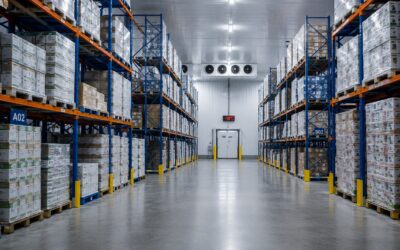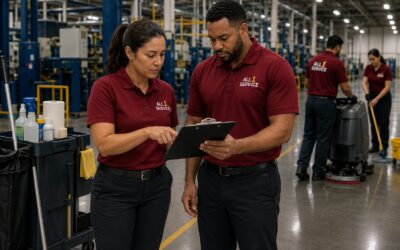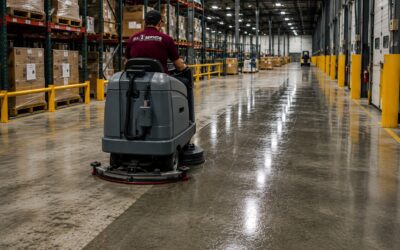
A clean and organized warehouse is only one part of a successful inspection. Equally important is your ability to demonstrate that your facility has documented safety procedures, inspection programs, employee training, and corrective action processes.
During an OSHA inspection or customer audit, inspectors may request records that verify your organization is actively identifying hazards, maintaining equipment, training employees, and following established safety procedures. Well-organized documentation demonstrates that safety isn’t reactive, it’s part of your everyday operations.
Rather than searching through filing cabinets or computer folders during an inspection, create a centralized inspection binder or digital compliance folder that can be accessed quickly when needed.
Below are the key documents every warehouse should have readily available.
1. Safety Inspection Reports
Routine safety inspections are one of the strongest indicators of a proactive safety culture.
These reports demonstrate that your organization regularly evaluates workplace conditions and addresses potential hazards before they result in incidents.
Your inspection records should include:
- Daily or weekly facility inspections
- Monthly safety audits
- Warehouse walkthrough reports
- Hazard identification reports
- Inspection dates
- Inspector names
- Corrective actions taken
- Completion dates
Keeping historical inspection records also helps identify recurring issues and measure improvements over time.
2. Cleaning Schedules
Cleaning schedules show that housekeeping is planned rather than performed only when problems become visible.
Your cleaning program should clearly define:
- Daily cleaning responsibilities
- Weekly cleaning tasks
- Monthly deep-cleaning activities
- High dusting schedules
- Loading dock cleaning frequency
- Restroom sanitation schedules
- Exterior maintenance schedules
Assigning responsibility for each task helps ensure consistency and accountability throughout the facility.
3. Housekeeping Inspection Logs
Housekeeping logs provide documented evidence that your facility is routinely monitored for cleanliness and safety.
These logs should include inspections of:
- Warehouse floors
- Walkways
- Loading docks
- Storage areas
- Waste collection areas
- Breakrooms
- Restrooms
- Emergency exits
Each inspection should identify any deficiencies found, the corrective action taken, and the date the issue was resolved.
Documenting housekeeping activities helps demonstrate continuous improvement and supports OSHA compliance.
4. Forklift Inspection Records
Forklifts are among the most heavily used pieces of equipment in most warehouses, making proper inspection documentation essential.
Maintain records for:
- Daily pre-shift inspections
- Maintenance reports
- Repair records
- Equipment deficiencies
- Operator checklists
- Service schedules
Inspectors often review equipment inspection records to verify that forklifts are being maintained in safe operating condition.
5. Employee Safety Training Records
Training documentation demonstrates that employees understand workplace hazards and know how to perform their jobs safely.
Maintain records for:
- New employee orientation
- Forklift operator certification
- Hazard communication training
- PPE training
- Fire safety training
- Emergency procedures
- Housekeeping expectations
- Annual refresher training
Training records should include attendance dates, training topics, instructor information, and employee acknowledgments where applicable.
6. Corrective Action Reports
Identifying hazards is only part of the process. Inspectors also want to see evidence that identified issues are corrected promptly.
Corrective action reports should document:
- The hazard identified
- Date discovered
- Person responsible
- Corrective action completed
- Completion date
- Follow-up verification
These reports demonstrate accountability and continuous improvement throughout the organization.
7. Safety Data Sheet (SDS) Binder
If your warehouse stores or uses cleaning chemicals, maintenance products, paints, lubricants, or other hazardous materials, OSHA requires employees to have access to Safety Data Sheets (SDS).
Your SDS program should include:
- Current Safety Data Sheets for every hazardous chemical
- Proper chemical labeling
- Employee access procedures
- Hazard Communication Program documentation
Whether stored electronically or in a physical binder, SDS information should be organized, current, and easy to locate during an inspection.
8. Emergency Action Plan
Every warehouse should maintain a documented Emergency Action Plan (EAP) that outlines how employees should respond during emergencies.
This plan typically includes:
- Emergency evacuation procedures
- Fire response procedures
- Severe weather procedures
- Medical emergency response
- Emergency contact information
- Assembly locations
- Roles and responsibilities
Employees should know where the Emergency Action Plan is located and receive periodic training on its contents.
9. Fire Extinguisher Inspection Records
Fire protection equipment requires regular inspection to ensure it remains operational.
Maintain documentation showing:
- Monthly visual inspections
- Annual maintenance inspections
- Equipment locations
- Service dates
- Inspection tags
- Repairs or replacements
Inspectors may physically examine fire extinguishers while also reviewing inspection documentation.
10. Visitor and Contractor Safety Procedures
Many warehouses welcome customers, vendors, contractors, and delivery personnel throughout the year. Documented visitor procedures demonstrate that your organization manages these interactions safely.
Your visitor procedures should include:
- Visitor sign-in requirements
- PPE requirements
- Escort policies
- Restricted access areas
- Emergency procedures
- Safety orientation requirements
- Contractor responsibilities
Having consistent visitor procedures reinforces your organization’s commitment to safety for everyone entering the facility.
Create an Inspection Readiness Binder
To simplify inspections, many organizations maintain an Inspection Readiness Binder. The binder can be either physical or digital that contains all essential documentation in one organized location.
To ease stress during OSHA inspections, consider organizing your binder into the following sections:
| Section | Documents to Include |
|---|---|
| Safety Program | Safety inspections, policies, emergency procedures |
| Housekeeping | Cleaning schedules, housekeeping logs, inspection checklists |
| Equipment | Forklift inspections, maintenance records |
| Training | Employee training records, certifications |
| Compliance | SDS binder, Hazard Communication Program, corrective action reports |
| Fire Safety | Fire extinguisher inspections, evacuation plans |
| Visitors | Visitor procedures, contractor safety requirements |
Having these documents organized before an inspection demonstrates professionalism and allows inspectors to quickly verify compliance without unnecessary delays. Download your inspection readiness binder HERE.
How Commercial Cleaning Supports Inspection Readiness
Maintaining an inspection-ready warehouse requires more than occasional deep cleaning. It depends on consistent housekeeping, clearly defined cleaning standards, and a structured maintenance program that supports safe daily operations.
Professional commercial cleaning plays an important role in that process by helping warehouse managers maintain the cleanliness and organization expected during OSHA inspections, customer audits, and internal safety reviews.
However, commercial cleaning should be viewed as one component of a broader inspection readiness strategy, not the entire solution. Below are 4 key ways professional commercial cleaning supports OSHA inspection readiness.
Consistent Cleaning Creates Consistent Standards
One of the biggest challenges in warehouse operations is maintaining consistency across large facilities and multiple shifts.
A structured cleaning program establishes defined cleaning frequencies, standardized procedures, and clear responsibilities for every area of the warehouse.
This consistency helps ensure that:
- Warehouse floors remain free of debris.
- Loading docks stay organized.
- Restrooms remain sanitary.
- High-touch areas are cleaned routinely.
- Waste collection areas are properly maintained.
- High dusting is performed on schedule.
Rather than relying on reactive cleaning, warehouses benefit from predictable routines that support long-term operational performance.
Reduces Housekeeping Deficiencies
Many OSHA findings and customer audit observations are directly related to housekeeping rather than complex regulatory issues.
Routine commercial cleaning helps reduce common deficiencies such as:
- Dust accumulation on overhead structures
- Dirty loading docks
- Overflowing waste containers
- Floor debris
- Unsanitary employee facilities
- Poor first impressions
- Inconsistent cleaning between shifts
By addressing these issues proactively, organizations can significantly reduce the likelihood of inspection findings.
Supports Safer Operations
Clean facilities are generally safer facilities.
Routine cleaning helps remove hazards before they contribute to workplace incidents, including:
- Slip hazards
- Trip hazards
- Dust buildup
- Obstructed walkways
- Cluttered work areas
When combined with regular safety inspections and preventive maintenance, a structured cleaning program contributes to a safer working environment for employees and visitors alike.
Improves Customer and Auditor Confidence
Customers often evaluate a warehouse long before reviewing performance metrics or operational reports.
A clean, organized facility communicates professionalism, attention to detail, and operational discipline. Well-maintained loading docks, clearly marked walkways, clean employee areas, and organized storage systems reinforce confidence that the organization follows consistent standards throughout its operation.
Inspection-ready facilities demonstrate that quality and safety are not occasional priorities, they are embedded in everyday work practices.
Commercial Cleaning Is Part of a Larger Inspection Readiness Strategy
The most successful warehouses understand that inspection readiness is a shared responsibility. Commercial cleaning providers help maintain cleanliness and appearance, while warehouse managers, supervisors, and employees are responsible for safe work practices, equipment maintenance, documentation, and operational accountability.
When these elements work together, organizations create facilities that are safer, more efficient, and prepared for inspections at any time.