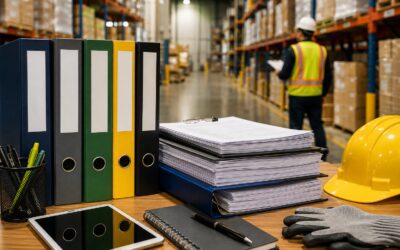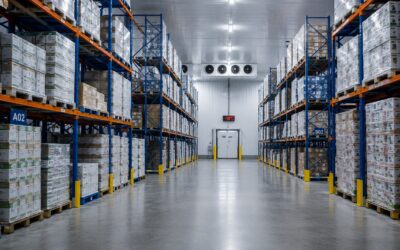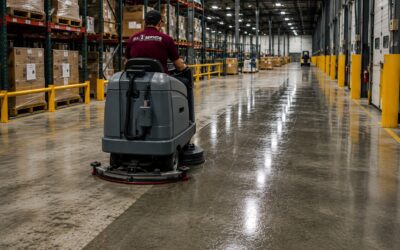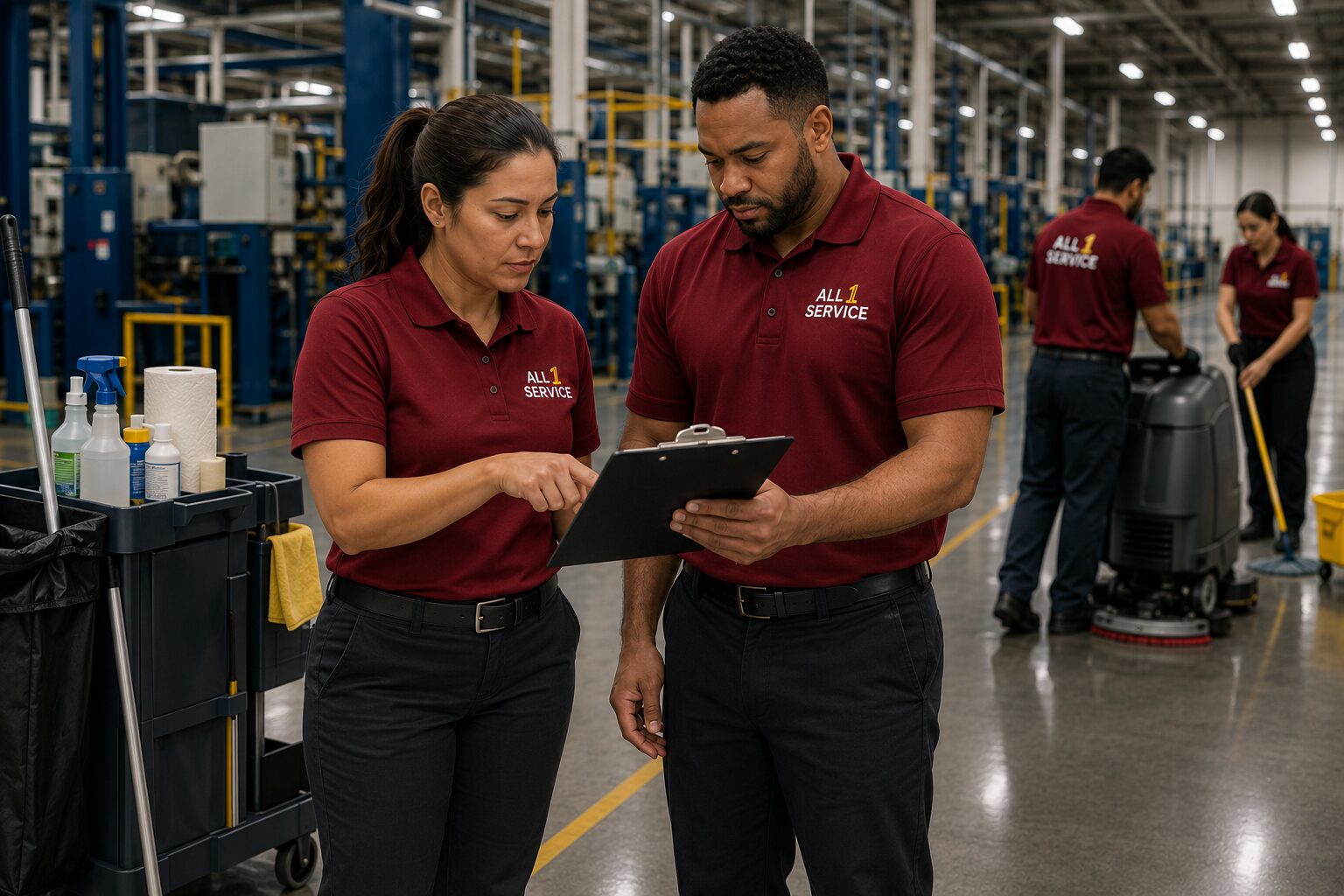
An OSHA inspection is an official workplace evaluation conducted by the Occupational Safety and Health Administration (OSHA) to determine whether an employer is providing a safe and healthy work environment that complies with federal safety regulations. These inspections are designed to identify hazards, verify compliance with OSHA standards, and ensure employers are taking appropriate measures to protect workers from preventable injuries and illnesses.
For warehouses, distribution centers, manufacturing facilities, and logistics operations, OSHA inspections often focus on areas such as housekeeping, material storage, walking-working surfaces, forklift operations, fire protection, hazard communication, sanitation, and employee safety practices.
While the thought of an OSHA inspection may cause concern, organizations that prioritize safety, cleanliness, and operational discipline are typically well-prepared. The most successful facilities don’t prepare only when an inspection is scheduled. They build inspection readiness into their daily operations.
What Is the Purpose of an OSHA Inspection?
The primary purpose of an OSHA inspection is to verify that employers are complying with workplace safety regulations and maintaining an environment that minimizes risks to employees.
During an inspection, OSHA compliance officers evaluate whether a facility has identified workplace hazards, implemented appropriate safety controls, trained employees effectively, and maintained documentation demonstrating compliance with applicable standards.
An OSHA inspection helps organizations:
- Protect employees from workplace injuries and illnesses
- Identify safety hazards before they cause incidents
- Verify compliance with OSHA regulations
- Promote continuous improvement in workplace safety
- Reduce the likelihood of accidents, downtime, and costly penalties
For warehouse managers, inspections should be viewed as opportunities to strengthen operational performance rather than simply regulatory obligations.
Types of OSHA Inspections
Not every OSHA inspection occurs for the same reason. OSHA conducts several different types of inspections depending on the circumstances, level of risk, and agency priorities.
Understanding why inspections occur can help warehouse managers better prepare and maintain inspection-ready facilities throughout the year. A few OSHA inspection types include:
1. Programmed Inspections
Programmed inspections are planned inspections initiated by OSHA based on industries, workplaces, or operations considered to have a higher risk of workplace injuries or illnesses.
Warehouses, manufacturing facilities, distribution centers, and logistics operations may be selected for programmed inspections because they involve:
- Forklift traffic
- Material handling
- Heavy equipment
- Elevated storage systems
- Loading dock operations
- High employee activity
- Potential slip, trip, and fall hazards
These inspections are not necessarily triggered by an accident or complaint. Instead, OSHA uses inspection schedules and risk-based targeting programs to evaluate workplaces where hazards are statistically more likely to occur.
Preparation Tip: Facilities should treat every day as inspection day by maintaining consistent housekeeping, conducting routine safety inspections, and documenting corrective actions.
2. Complaint Inspections
OSHA may conduct an inspection after receiving a complaint from an employee, contractor, union representative, or another individual who believes workplace safety hazards exist.
Complaints may involve issues such as:
- Blocked emergency exits
- Unsafe forklift operations
- Excessive dust accumulation
- Poor housekeeping
- Damaged racking systems
- Inadequate personal protective equipment (PPE)
- Slip or trip hazards
- Unsafe material storage
Depending on the severity and credibility of the complaint, OSHA may conduct either an on-site inspection or request documentation demonstrating that the issue has been addressed.
The best way to reduce complaint-related inspections is by encouraging employees to report hazards internally and resolving safety concerns promptly.
3. Accident and Incident Investigations
Serious workplace accidents often trigger OSHA inspections.
An inspection may occur following incidents involving:
- Employee fatalities
- Hospitalizations
- Amputations
- Loss of an eye
- Significant equipment failures
- Fires or explosions
- Structural collapses
- Serious forklift accidents
During these investigations, OSHA examines not only the specific incident but also the facility’s overall safety management system. Compliance officers may review housekeeping practices, employee training records, inspection logs, maintenance records, and hazard correction procedures to determine whether underlying safety deficiencies contributed to the event.
Facilities with documented safety programs and proactive housekeeping procedures are generally better positioned to demonstrate due diligence during an investigation.
OSHA Inspections vs. Customer Audits
While OSHA inspections focus on employee safety and regulatory compliance, many customer audits evaluate many of the same operational standards.
Major manufacturers, retailers, third-party logistics providers (3PLs), and supply chain partners often assess warehouse operations before awarding or renewing contracts. Their audits frequently include observations related to housekeeping, organization, and overall operational discipline.
Areas commonly reviewed during customer audits include:
- Warehouse cleanliness
- Organized storage areas
- Loading dock condition
- Material handling practices
- Floor markings and traffic flow
- Emergency exit accessibility
- Waste management
- Equipment maintenance
- Employee safety practices
- Overall facility appearance
A clean, organized warehouse demonstrates professionalism, reduces operational risks, and reinforces customer confidence in your ability to deliver consistent service.
Inspection Readiness Is an Everyday Process
One of the biggest misconceptions about OSHA inspections is that preparation begins only after receiving notice of an inspection. In reality, the most successful warehouses maintain inspection readiness every day through consistent housekeeping, preventive maintenance, routine safety inspections, and employee accountability.
Facilities that embed safety and organization into their daily operations are not only better prepared for OSHA inspections but also perform more effectively during customer audits, insurance reviews, and internal compliance assessments.
Rather than scrambling to prepare at the last minute, warehouse managers should establish standardized cleaning schedules, conduct regular walkthroughs, document corrective actions, and foster a workplace culture where safety and housekeeping are shared responsibilities. When inspection readiness becomes part of the organization’s operating routine, compliance becomes easier, risks are reduced, and the warehouse remains prepared for any inspection, scheduled or unexpected.
Why Inspection Readiness Matters
For warehouse and distribution center managers, inspection readiness is about far more than passing an OSHA inspection or impressing a visiting customer. It reflects how well a facility is managed every day. Clean, organized, and well-maintained warehouses are typically safer, more productive, and better equipped to meet operational demands without disruption.
The organizations that consistently perform well during inspections don’t rely on last-minute cleanup efforts. Instead, they establish standardized housekeeping procedures, conduct regular inspections, and create a culture where safety and accountability are part of daily operations. This proactive approach not only helps reduce compliance risks but also improves employee morale, strengthens customer relationships, and protects the organization’s reputation.
Below are five key reasons why inspection readiness should be a core part of every warehouse’s operational strategy.
1. Protect Employee Safety
The most important reason to maintain an inspection-ready warehouse is to protect the people who work there every day.
Warehouse environments are filled with potential hazards, including forklift traffic, elevated storage systems, heavy equipment, loading docks, and pedestrian walkways. Without consistent housekeeping and routine inspections, small issues can quickly develop into serious safety risks.
For example, a pallet left in a walkway, an unaddressed spill, or accumulated shrink wrap on the warehouse floor can create trip hazards that lead to injuries. Dust buildup on overhead structures can affect air quality and increase fire risks, while blocked emergency exits can delay evacuation during an emergency.
Inspection-ready facilities reduce these risks by identifying and correcting hazards before accidents occur. Daily housekeeping, routine walkthroughs, and clearly assigned responsibilities help create a safer environment where employees can perform their jobs with confidence.
Benefits of a Safety-First Warehouse
- Reduces slips, trips, and falls
- Improves forklift and pedestrian safety
- Minimizes fire hazards
- Encourages safe employee behavior
- Creates a healthier work environment
- Supports OSHA compliance
Ultimately, the safest warehouses are those where housekeeping and hazard identification are integrated into everyday operations, not treated as occasional tasks.
2. Build Customer Confidence
For many businesses, customer audits are just as important as regulatory inspections. Whether your warehouse serves retailers, manufacturers, healthcare organizations, food distributors, or third-party logistics partners, customers want confidence that their products are being stored and handled in a clean, organized, and professional environment.
When customers tour your facility, they notice much more than your inventory.
They observe:
- Overall cleanliness
- Organization of storage areas
- Loading dock conditions
- Employee work practices
- Floor markings
- Waste management
- Equipment condition
- General professionalism
A clean warehouse sends a powerful message that your organization values quality, consistency, and operational excellence.
Conversely, overflowing trash bins, cluttered aisles, dirty loading docks, or poor housekeeping may raise concerns about inventory protection, quality control, and attention to detail.
An inspection-ready warehouse builds trust before a single conversation takes place.
3. Improve Operational Efficiency
Well-organized warehouses don’t just look better, they perform better.
Facilities that maintain consistent housekeeping standards often experience smoother workflows because employees spend less time navigating clutter, locating equipment, or working around preventable obstacles.
Routine inspections help identify operational inefficiencies before they become larger problems. Clean floors improve forklift movement, organized storage reduces retrieval times, and clearly marked work areas improve traffic flow throughout the facility.
Inspection readiness also supports preventive maintenance by making it easier to identify leaks, damaged equipment, worn floor markings, or storage issues before they disrupt operations.
Operational Benefits of an Inspection-Ready Warehouse
- Faster movement of people and materials
- Reduced workflow interruptions
- Better inventory organization
- Improved equipment visibility
- Increased employee productivity
- More efficient warehouse operations
Organizations that treat housekeeping as an operational discipline, not simply a cleaning activity, often realize measurable improvements in productivity and efficiency.
4. Reduce Risk Before Problems Occur
One of the greatest advantages of maintaining an inspection-ready facility is the ability to identify hazards before they result in injuries, equipment damage, or regulatory violations.
Rather than reacting to problems after they occur, proactive warehouse managers conduct routine inspections that uncover potential issues while they are still easy to correct.
Examples include:
- Damaged pallets that could collapse
- Oil leaks creating slip hazards
- Dust accumulation on warehouse racking
- Blocked fire extinguishers
- Obstructed emergency exits
- Poorly stacked materials
- Damaged floor markings
- Overflowing waste containers
Addressing these issues early reduces the likelihood of accidents, protects employees, and minimizes unexpected operational disruptions.
This proactive mindset also reduces the stress associated with surprise inspections because the facility is maintained to a consistent standard every day.
5. Strengthen Your Company’s Reputation
A warehouse is often one of the first physical representations of an organization’s operational standards. Whether visitors include OSHA inspectors, customers, suppliers, insurance representatives, or executive leadership, the condition of the facility shapes their perception of the business.
An inspection-ready warehouse demonstrates that the organization:
- Prioritizes employee safety
- Maintains high operational standards
- Invests in quality processes
- Values continuous improvement
- Takes compliance seriously
These qualities inspire confidence among customers, employees, and business partners alike.
Beyond external perceptions, maintaining a clean and organized workplace also boosts employee pride and morale. People are more likely to respect and maintain facilities that consistently reflect high standards, creating a positive cycle of accountability and operational excellence.
Inspection Readiness Is a Competitive Advantage
Many organizations view inspections as isolated events. High-performing warehouses take a different approach—they view inspection readiness as an ongoing operational strategy.
When housekeeping, preventive maintenance, safety inspections, and employee accountability become part of the daily routine, inspections become far less stressful. More importantly, the warehouse becomes a safer, cleaner, and more efficient place to work.
Inspection-ready facilities experience fewer disruptions, build stronger customer relationships, support regulatory compliance, and create a culture of continuous improvement. Rather than preparing for inspections at the last minute, they are always prepared—because operational excellence is built into everything they do.
Key Takeaway
Inspection readiness isn’t about preparing for a single visit from an OSHA inspector or customer. It’s about creating a warehouse that is safe, organized, efficient, and ready for business every day. That commitment protects employees, strengthens customer confidence, and positions your organization as a trusted operational partner.
Continue Reading:
Common Reasons Warehouses Fail Inspections
References
- OSHA Walking-Working Surfaces (29 CFR 1910.22): https://www.osha.gov/laws-regs/regulations/standardnumber/1910/1910.22
- OSHA Handling Materials—General (29 CFR 1910.176): https://www.osha.gov/laws-regs/regulations/standardnumber/1910/1910.176
- OSHA Sanitation (29 CFR 1910.141): https://www.osha.gov/laws-regs/regulations/standardnumber/1910/1910.141