Warehouses fail OSHA inspections for many reasons. Inspectors often identify multiple small deficiencies that indicate inconsistent housekeeping, poor maintenance practices, or weak operational processes. While many of these issues are relatively easy to correct, failing to address them proactively can result in OSHA citations, failed customer audits, operational disruptions, and damage to your organization’s reputation.
The good news is that most inspection deficiencies are preventable through routine housekeeping, regular facility inspections, and a structured maintenance program.
The table below highlights some of the most common reasons warehouses fail OSHA and customer inspections and why each issue deserves attention. Use it as a guide to ensure your warehouse is always OSHA inspection ready.
| Inspection Issue | Why It Matters | How to Prevent It |
|---|---|---|
| Blocked Emergency Exits | Delays emergency evacuation and violates OSHA requirements. | Keep exits, fire extinguishers, eyewash stations, and electrical panels clear at all times. |
| Dirty Loading Docks | Creates slip hazards, pest concerns, and poor customer impressions. | Sweep docks daily, remove debris promptly, and clean spills immediately. |
| Excessive Dust Buildup | Increases fire risk, affects air quality, and can contaminate products. | Schedule routine high dusting of rafters, beams, lights, and overhead piping. |
| Poor Housekeeping | Indicates weak safety practices and increases the likelihood of slips, trips, and falls. | Implement daily housekeeping routines and assign ownership for each warehouse zone. |
| Damaged Pallets and Storage Systems | Can lead to falling objects, damaged inventory, and employee injuries. | Inspect pallets and racking regularly and replace damaged materials immediately. |
| Improper Material Storage | Creates fire hazards, blocks aisles, and reduces safe forklift movement. | Follow designated storage procedures and maintain organized inventory areas. |
| Missing Safety Documentation | Prevents employers from demonstrating compliance during inspections. | Maintain current inspection logs, cleaning schedules, training records, and maintenance documentation. |
| Unsafe Forklift Traffic Areas | Increases the risk of collisions between equipment and pedestrians. | Clearly mark traffic lanes and inspect floor markings regularly. |
| Overflowing Waste Containers | Attracts pests, creates sanitation issues, and contributes to clutter. | Empty waste containers routinely and maintain clean waste collection areas. |
| Worn or Missing Floor Markings | Makes pedestrian routes and hazardous areas difficult to identify. | Refresh safety markings whenever they become faded or damaged. |
Inspection Tip
Many inspection deficiencies are symptoms of a larger issue: inconsistent operational discipline. Facilities that conduct regular housekeeping inspections, document corrective actions, and assign accountability are far less likely to encounter significant findings during OSHA or customer audits.
The 30-Day Warehouse Inspection Preparation Plan
Whether you’re expecting a scheduled customer audit or simply want to improve your facility’s inspection readiness, preparing over several weeks is far more effective than rushing through last-minute cleaning.
A structured 30-day preparation plan allows warehouse managers to identify hazards, complete necessary repairs, organize documentation, and ensure employees understand their responsibilities before inspectors arrive.
Week 1: Assess the Current State of Your Facility
The first week should focus on understanding where your warehouse stands today. Rather than immediately beginning deep cleaning, conduct a comprehensive assessment to identify existing deficiencies and prioritize corrective actions.
Conduct a Complete Facility Walkthrough
Walk every area of the warehouse, including:
- Receiving areas
- Storage aisles
- Loading docks
- Warehouse floors
- Racking systems
- Breakrooms
- Restrooms
- Waste collection areas
- Exterior entrances and parking lots
Document any housekeeping, maintenance, or safety concerns that could affect inspection outcomes.
Perform a Housekeeping Audit
Evaluate the overall cleanliness and organization of the facility.
Look for:
- Dust accumulation
- Floor debris
- Cluttered aisles
- Improper material storage
- Blocked emergency exits
- Overflowing waste containers
- Dirty loading docks
Photograph deficiencies to track progress over the coming weeks.
Assign Responsibilities
Inspection readiness should never fall on one person.
Assign responsibility for each warehouse zone to supervisors or department leaders, ensuring every area has a clear owner responsible for maintaining cleanliness and correcting deficiencies.
Week 2: Correct Deficiencies and Deep Clean the Facility
After identifying issues during Week 1, focus on resolving them before they become larger problems.
Perform a Deep Cleaning
Schedule comprehensive cleaning activities, including:
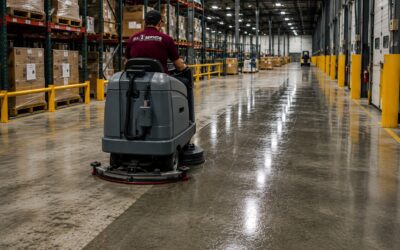
- Machine scrubbing warehouse floors
- High dusting of rafters and beams
- Cleaning loading docks
- Pressure washing exterior areas
- Sanitizing breakrooms and restrooms
- Removing accumulated debris
Repair Damaged Areas
Inspect and repair:
- Damaged pallets
- Broken racking
- Floor cracks
- Lighting fixtures
- Safety barriers
- Dock equipment
- Damaged signage
Addressing maintenance issues early prevents unnecessary findings during inspections.
Refresh Floor Markings and Signage
Inspect pedestrian walkways, forklift lanes, emergency routes, and hazard markings.
Replace faded tape, repaint floor markings, and install new signage where necessary to improve visibility and compliance.
Verify Emergency Equipment
Inspect:
- Fire extinguishers
- Emergency exits
- Exit signage
- Eyewash stations
- First aid kits
- Emergency lighting
Ensure all equipment is accessible, properly labeled, and functioning correctly.
Week 3: Verify Safety Systems and Documentation
With housekeeping and maintenance largely complete, Week 3 should focus on confirming that safety systems and compliance documentation are current and readily available.
Conduct a Safety Inspection
Perform a formal inspection covering:
- Forklift routes
- Walking-working surfaces
- Material storage
- PPE compliance
- Electrical panels
- Hazard communication
- Housekeeping practices
Correct any remaining hazards immediately.
Inspect Equipment
Review the condition of:
- Forklifts
- Pallet jacks
- Dock levelers
- Conveyor systems
- Fire protection equipment
- Cleaning equipment
Schedule repairs for any equipment that could present safety concerns.
Review Documentation
Ensure the following records are complete and easily accessible:
- Housekeeping inspection logs
- Cleaning schedules
- Forklift inspection records
- Employee safety training records
- Hazard assessments
- Corrective action reports
- Fire extinguisher inspection records
- SDS (Safety Data Sheets)
Well-organized documentation demonstrates a proactive approach to workplace safety and compliance.
Conduct Employee Refresher Training
Remind employees of inspection expectations by reviewing:
- Housekeeping responsibilities
- Emergency procedures
- PPE requirements
- Reporting hazards
- Safe material handling practices
- Visitor protocols
Employees should understand that inspection readiness is everyone’s responsibility.
Week 4: Perform a Final Readiness Review
The final week should focus on confirming that all corrective actions have been completed and that the warehouse is prepared for an inspection at any time.
Executive Walkthrough
Conduct a leadership walkthrough using the same perspective an OSHA inspector or customer auditor would have.
Evaluate:
- Overall cleanliness
- Organization
- Safety signage
- Emergency access
- Employee work practices
- Facility appearance
This final review often identifies small details that routine inspections may overlook.
Correct Remaining Deficiencies
Address any outstanding issues immediately, including:
- Minor housekeeping concerns
- Missing labels
- Damaged floor markings
- Incomplete documentation
- Equipment needing adjustment
Completing these final corrections ensures the facility presents a consistent standard of operational excellence.
Conduct a Mock Inspection
Before the official inspection, perform a mock audit using your warehouse inspection checklist.
Walk the facility as though you were an external inspector and evaluate:
- Housekeeping
- Safety practices
- Documentation
- Material storage
- Emergency preparedness
- Employee awareness
A mock inspection helps identify last-minute gaps while giving employees confidence and familiarity with the inspection process.
Key Takeaway
The best warehouses don’t prepare for inspections, they stay prepared. By following the above structured 30-day inspection readiness plan, organizations can systematically improve housekeeping, strengthen safety practices, correct deficiencies, and organize documentation before inspectors arrive. More importantly, these efforts create a safer, cleaner, and more efficient warehouse that supports employees, builds customer confidence, and demonstrates a long-term commitment to operational excellence.